Window length
We anchor plans to real calendar gaps—twelve minutes, twenty-five, or a full lunch—rather than abstract ideals.
Nocturne atlas · outdoor studio
Chimvlexryxanord documents humane walking rhythms for people who live and work around Wellington. We care about how you cross streets, how you layer for wind off the harbour, and how you return to the desk without feeling like movement was another item you failed at.
Ledger
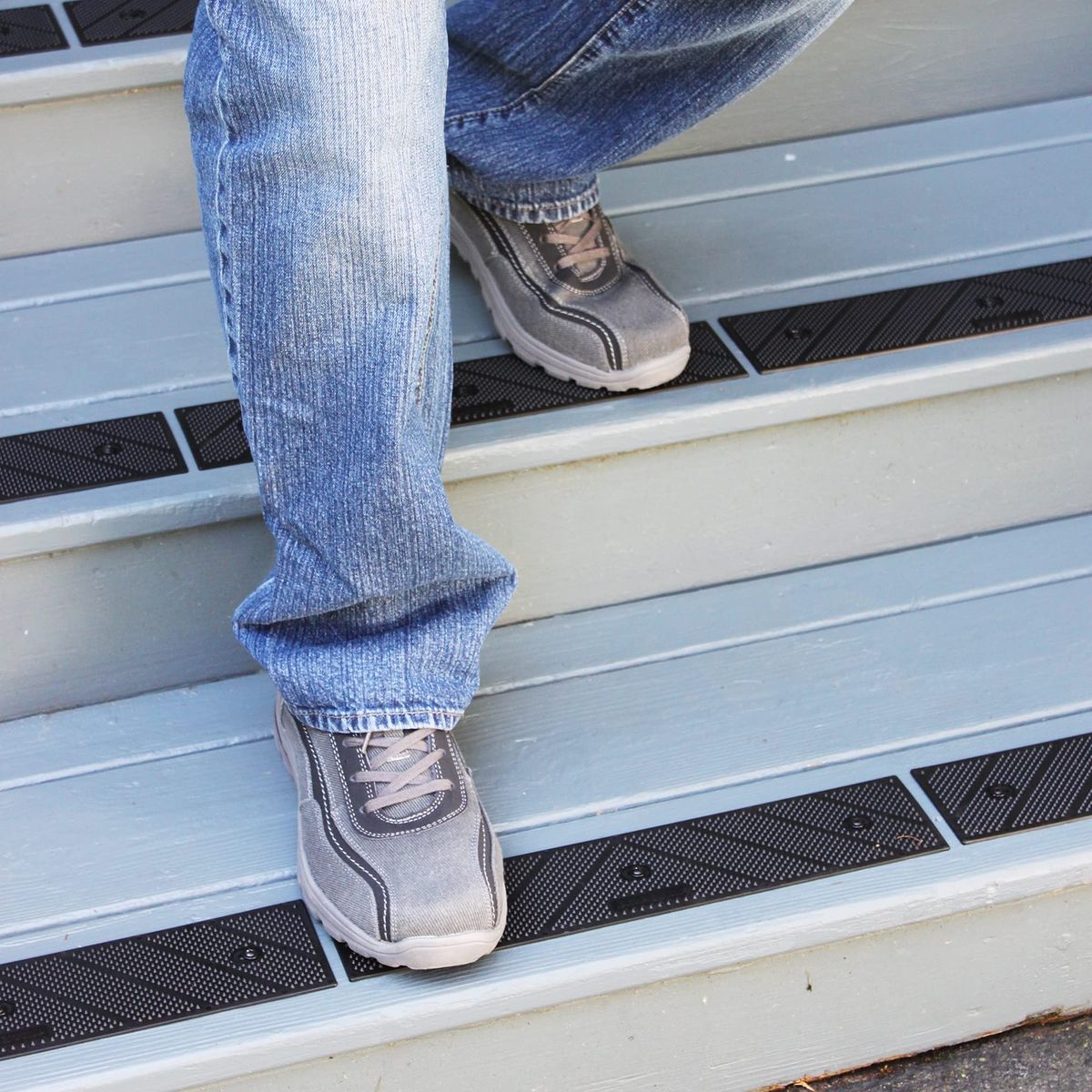
Outdoor steps can break up long desk blocks. Our materials stay practical: footwear suited to the footpath, loop lengths that fit typical break windows, and plain language about shortening a route when conditions change.
We write for rain sheets as well as blue-sky afternoons. When southerlies arrive without drama, we expect you to shorten the arc or move to a covered link—we say that plainly in our notes rather than implying you should push through discomfort to earn the walk.
Our programmes sit alongside workplace policies on breaks. We do not promise outcomes; we document patterns that teams and individuals have found sustainable when they experiment thoughtfully.
Visibility first. Reflective fabric, visible crossings, and predictable behaviour near shared paths matter more than chasing a scenic shortcut.
Honest distance. We label gradients, stairs, and pinch points so you can match a route to your schedule and conditions that day.
Consenting data. Analytics and marketing signals stay off until you choose them in the cookie layer.
Local respect. We note quiet hours near housing, keep voice levels thoughtful, and design regroup spots that do not block shop fronts.
Room to return. Every loop we publish includes an earlier exit so you can peel off without announcing a reason to the group.
Atlas tiles
These tiles summarise conversations we have with teams before anyone laces up. They are planning lenses, not scorecards.
We anchor plans to real calendar gaps—twelve minutes, twenty-five, or a full lunch—rather than abstract ideals.
Alternate indoor stairs or lobby circuits when the forecast shifts faster than the agenda.
Guidance on headphones near traffic and courtesy near residential lanes.
Public fountain markers and honest notes about café hours along the loop.
Staggered starts at choke points so footpaths stay passable for everyone.
Light journaling cues for teams that want reflection without surveillance.

City fabric
Morning deliveries widen the footpath dance; evening light throws long shadows across Cuba Mall approaches. Our maps call out where bus queues form, where scooters cluster, and where temporary fencing tends to appear during festival season.
We refresh PDFs when council notices shift lane geometry. If you are coordinating a workplace cohort, ask us for the dated revision number so everyone references the same sheet.
Walking here is about sharing space courteously and choosing crossings and sight lines that support safe movement.
Sequence
Facilitators use this rail as a spine; participants can shorten any segment without asking permission.
Threshold
Stand for ten breaths, feel footing, confirm you have keys and a layer for wind. Acceleration comes after orientation.
Transit
Prefer signals with time to spare over guessing gaps in traffic. If a crossing seems unsafe, backtrack—our maps include alternates.
Midpoint
Sound of cables in wind, smell of coffee, texture of cobble—pick a detail you can recall later when reviewing the route.
Return
Slow the last block, sip water, and note whether shoes rubbed. That note feeds the next route tweak.
Close
Send fence photos or timing quirks to the studio inbox so the shared atlas stays honest.
We say “pause” and “reroute” more often than “push through.” Facilitators model stopping at amber lights and waiting for full signals.
Cookie choices are explicit. Workshop attendance lists are stored with retention caps described in our privacy policy.
Directions favour corners you can recognise with a glance, reducing screen fixation on narrow footpaths.
Multiple distance forks live on the same map sheet so fast and leisurely movers stay in the same story.
Walking became a simple break between two long desk sessions—not something we raced through.Studio journal · anonymised
Harbour FAQs
We reply within two business days with availability, facilitator names, and any intake forms. Include headcount, preferred windows, and accessibility notes so we can respond in one pass.