Dawn corridor
Short spokes before inboxes open; we mark which corners catch first light and where frost lingers on shade tiles.
Route atelier
Every loop we publish for Wellington begins with a facilitator walk-through: measuring crossing times, listening for pinch points near construction, and photographing temporary signage. This page explains how those field passes become the worksheets teams actually use on a Tuesday between meetings.
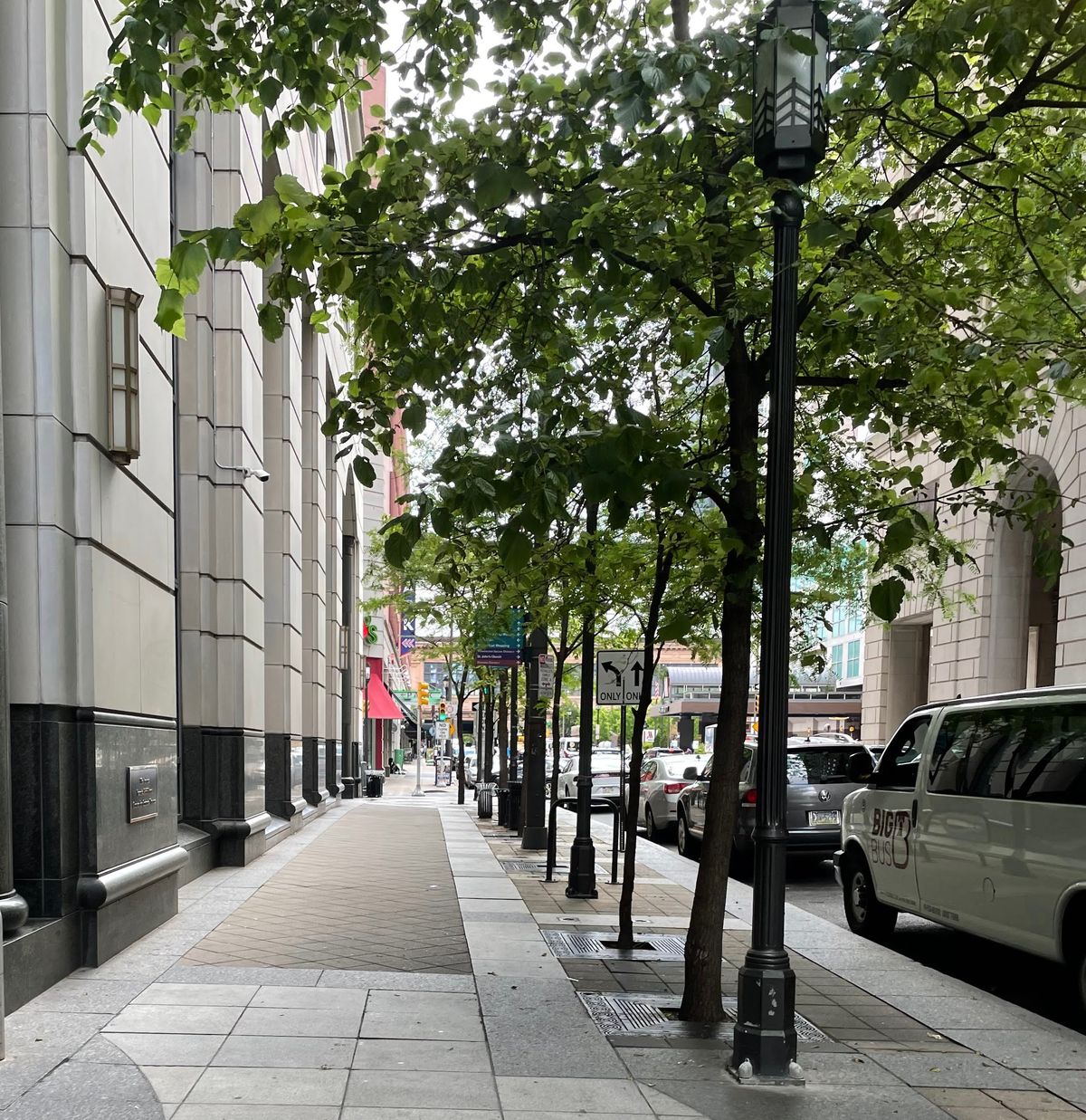
Short spokes before inboxes open; we mark which corners catch first light and where frost lingers on shade tiles.
Reflective trims, predictable lamp pools, and crossings where drivers expect foot traffic after retail hours.
Staggered departures, whisper-volume cues past apartment entries, and regroup benches that do not block shop doors.
Indoor stair variants, covered arcades, and honest estimates of how much longer the dry route takes.
Field ethics
Scenic alleys earn their place only after we confirm drainage, lighting, and width for two wheelchairs to pass. If a photogenic lane feels tight after rain, the map says so in plain language rather than burying the caveat in footnotes.
Audio users get guidance to keep one ear open near merge points. We never imply that blocking both ears is advisable beside active vehicle lanes.
Comparison grid
Use this table to decide which PDF to request from the studio inbox before you duplicate pages internally.
| Package | Best for | Includes |
|---|---|---|
| Harbour skim | 25-minute office breaks | Single fork, fountain markers, wind notes |
| Te Aro weave | Mixed fitness cohorts | Two distance arcs, bench regroups, scooter alerts |
| Night ledger | After-dark departures | Lamp pool emphasis, reflective reminders, late café hours |
| Workshop bundle | Facilitated teams | Minute-by-minute rail, roster template, incident card |
T+0
Confirm headcount, share weather snapshot, point out the first crossing strategy.
T+4
Shoulders low, eyes up; facilitator models stopping fully at kerbs even when streets look quiet.
T+10
No stigma for peeling off—colour tags help pairs regroup without broadcasting reasons.
T+18
Quick sip, check shoelaces, note any trip hazards to email the studio later.
T+25
Slow the final block, thank the group, remind them where to upload optional reflection notes.
We track whether your organisation needs a formal footpath use letter for large cohorts and advise on speaker-free facilitation near housing.
Printed cards outline who to call for venue security versus medical support, without turning a walk into an emergency rehearsal.
Each PDF footer lists the walk date and editor initials so distributed teams know they share the same geometry.
Tell us about mobility aids, rest needs, or sensory preferences—we adjust step counts and crossing language accordingly.
The facilitator rail turned our Friday habit into something we could hand to a new manager without a forty-minute briefing.Operations lead · shared with consent
Email headcount, district boundaries, and whether you need bilingual headings. We respond from 128 Willis Street with a scoped quote and sample redactions so legal can review quickly.